VISUAL CULTURES OF THE MIDDLE EAST
MOVING IMAGES
FROM DAGUERREOTYPES TO
SMARTPHONES

KEVORKIAN CENTER FOR NEAR EASTERN STUDIES
GRADUATE COURSE AT NEW YORK UNIVERSITY
SPRING - 2020

JARED MCCORMICK - jsm22@nyu.edu

What follows is more than a syllabus.

This website is assembled and offered for those who are interested in visual cultures across the larger "Middle East."

However, this website is also a pedagogical tool! The weeks of the course below introduce different tools/techniques of how you can activate, juxtopose, and integrate visual materials with your own larger research.

Rather than just a normal syllabus this "platform as syllabus" allows us to brainstorm and explore different ways you can build your own site, similar to this, through the course.

As part of this class, students will be constructing a "visual essay" for their final. You will be asked to assemble/build/identify a larger set of visual material that directly connects to your research interests.

You will then explore the relationship of text & image as you "jump off the page" to iterate a blended visual & written argument.


What motivates this course are the stories / narratives imaginations / myths that circulate though the visual register.

• How can you identify and build a collection of visual material that intersects with your research agenda?

• How can we sort, select, and sample visual materials not simply as representations of our arguments?

• How can we better account for - and integrate - visual material in more deep, rich, and dynamics ways into such scholarship?

• How can we problematize and push the relationships between image/text in our scholarship?

• What does it mean to conceptualize a visual essay off the page -- and in a digital landscape?

• What affordances does this allow to enliven and animate one's arguments?

• How can this contribute to greater access through new types of public scholarship and ways to collaboration within, and beyond, the academy?

Background: Mecca 1960s

Week 1: Introduction to Visual Cultures of the Middle East

Required (readings/videos)

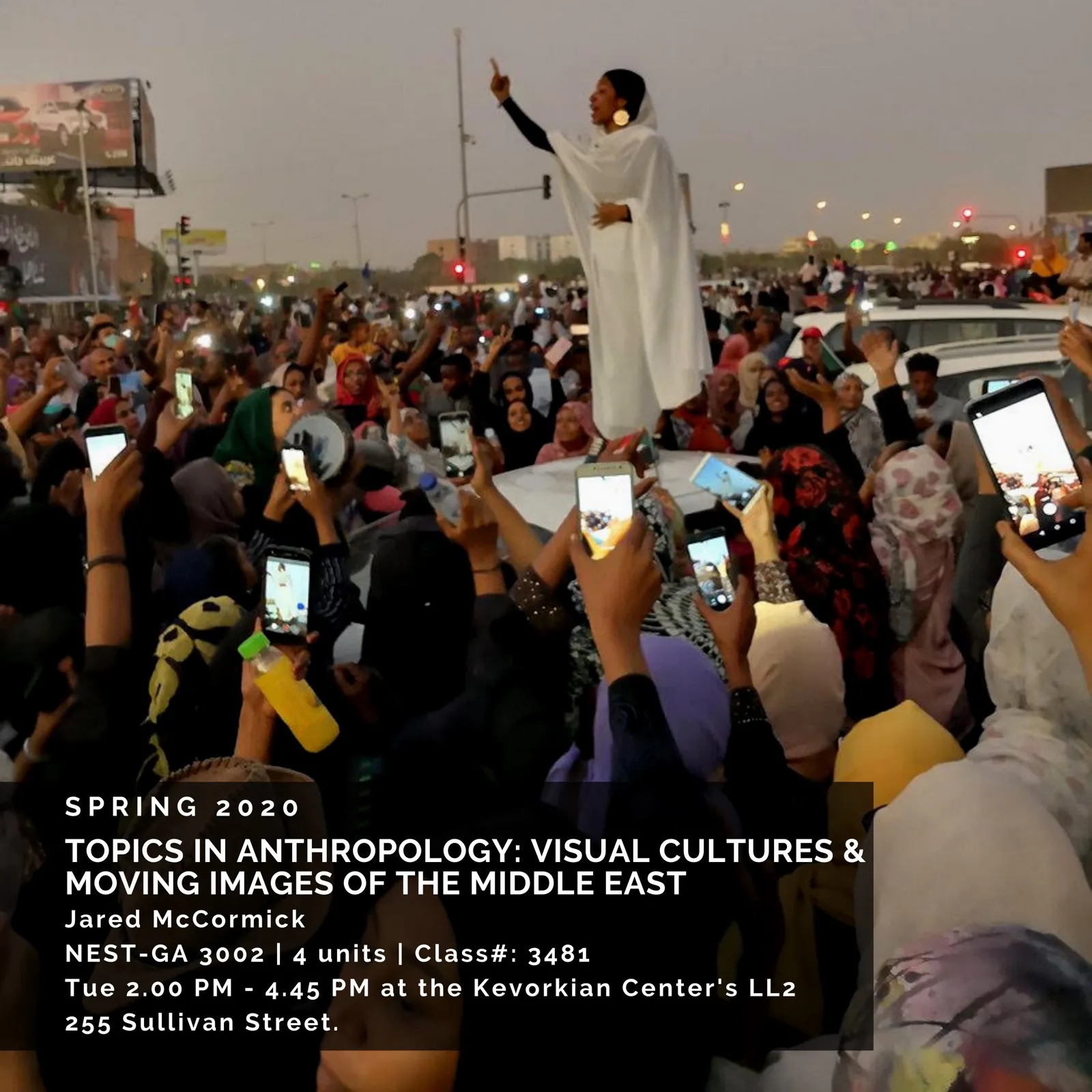
Press photograph of King Salman, President Trump, and President el-Sisi with hands on a glowing globe at the Global Center for Combating Extremist Ideology, Riyadh
Bandar Algaloud / Saudi Royal Council
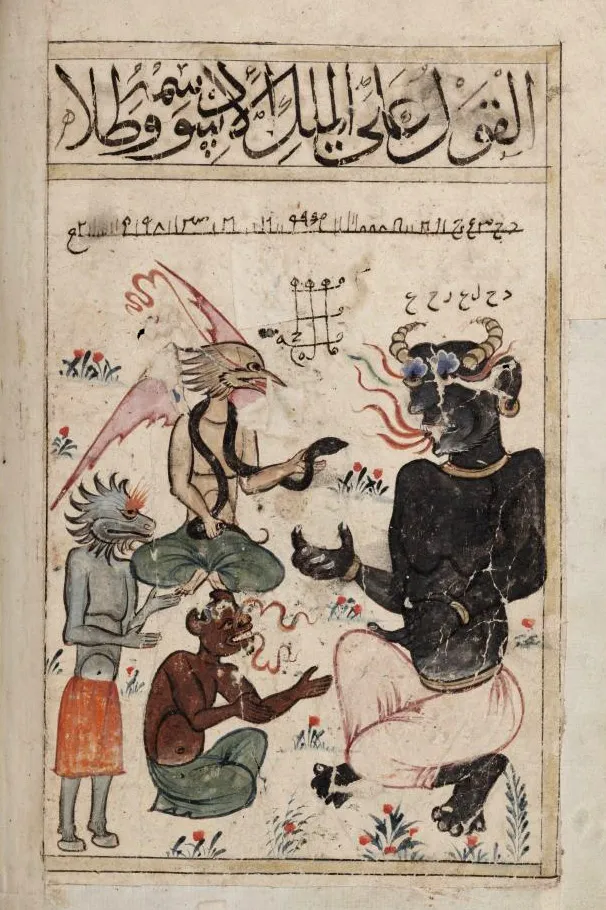
Folio from the Kitab al-Bulhan, a fourteenth-century illustrated Arabic manuscript: two horned demons face each other beneath lines of Arabic script
كتاب البلهان - Oxford Digital Library

Week 2: Visual Cultures + Visuality

Required (readings/videos)

Related/Recommended

Week 3: Studio Photography + Consumer Cameras

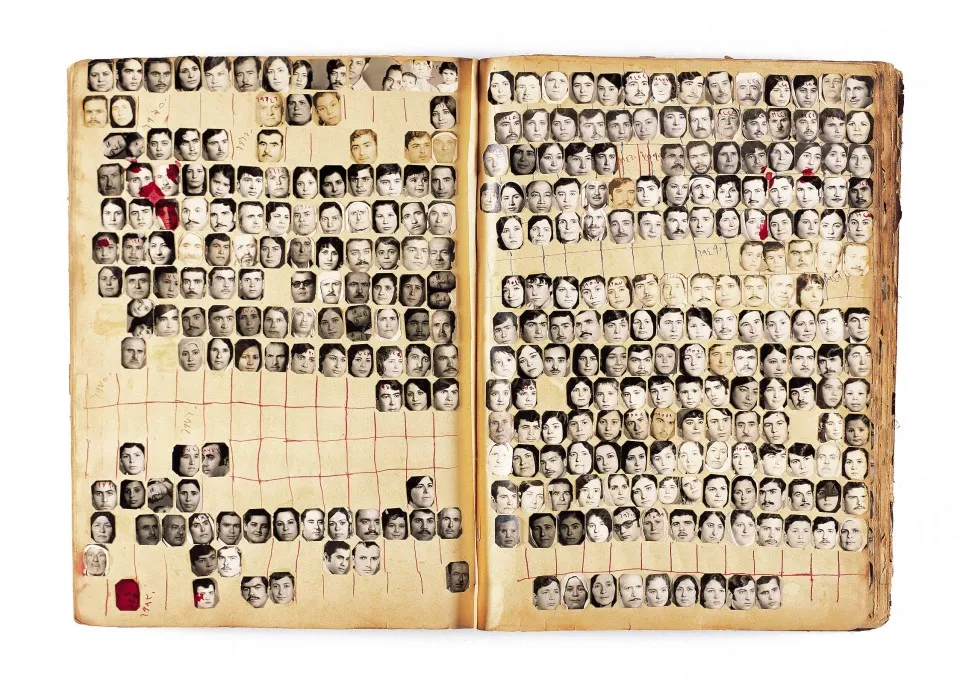
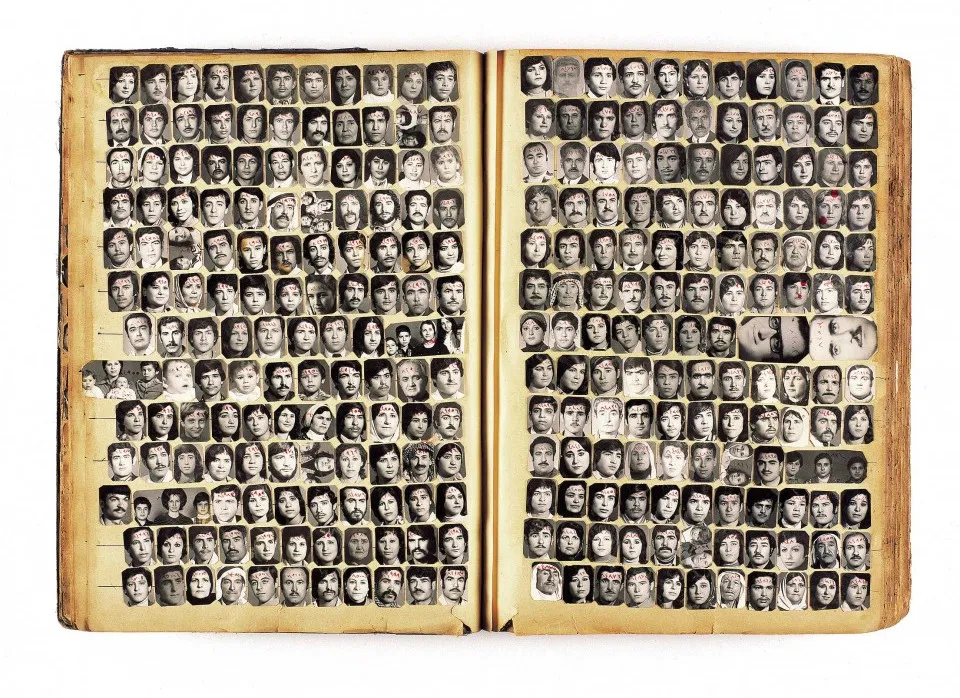
Open ledger book from Akram Zaatari's Mapping Sitting: pages gridded with hundreds of small identity-portrait headshotsA second spread of the same book: both pages gridded with hundreds of small identity-portrait headshots, each annotated in red
Akram Zaatari - Mapping Sitting - NYU Show

Required (readings/videos)

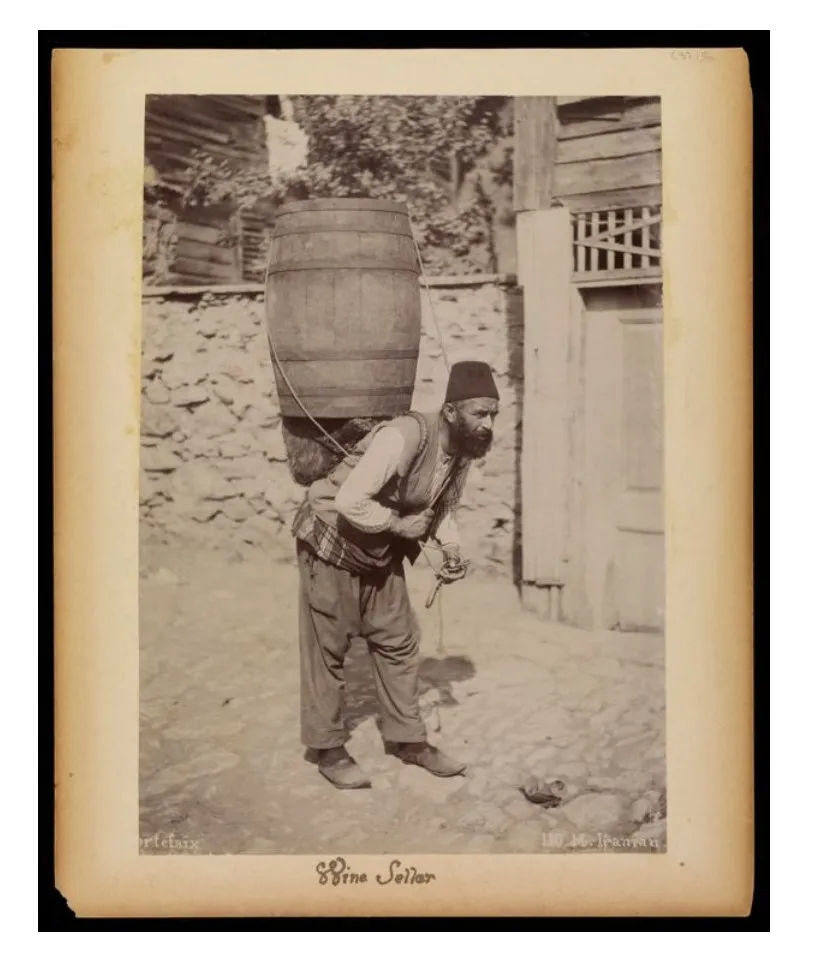
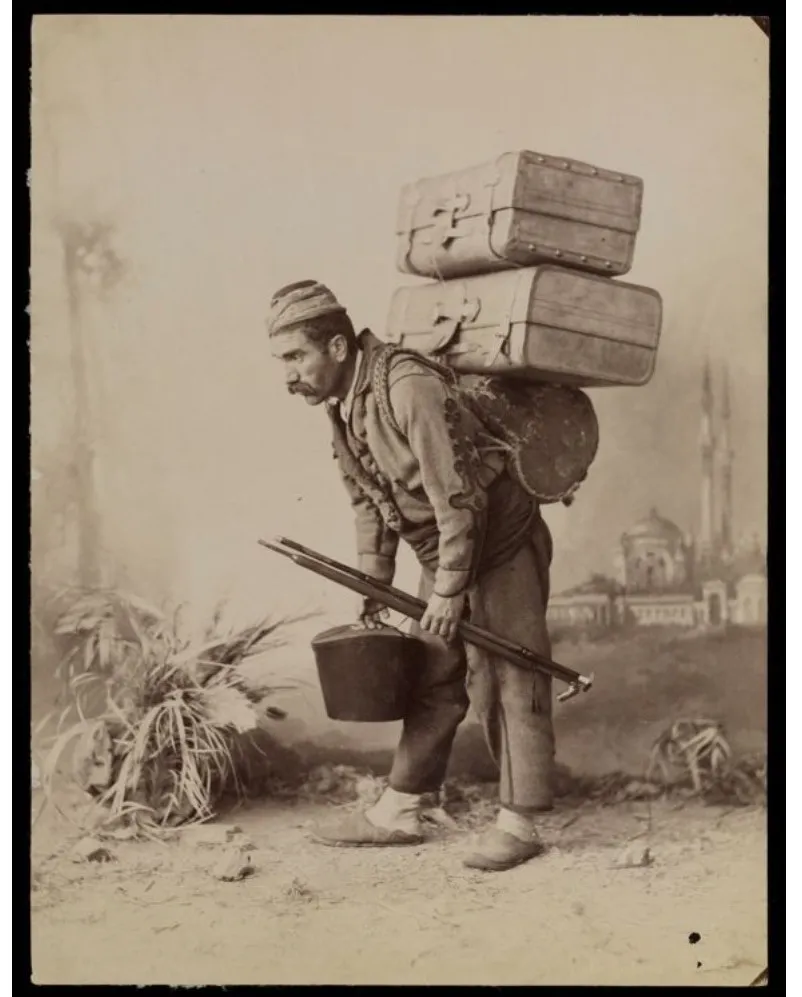
Sepia studio photograph of an Ottoman-era porter carrying a large barrel strapped to his backSepia studio photograph of an Ottoman-era porter bent under two strapped trunks, a kettle in one hand and a staff in the other, a painted mosque behind him
Portefaix & Portefaix Getty Pierre de Gigord Collection

Week 4: Colonial Power + Imperial Gaze

Required (readings/videos)

Related/Recommended

John Berger “The Benjamin’s theories: Art in Mechanical Reproduction” Ways of Seeing, Episode 1 1972 OR Then and Now’s Walter Benjamin: The Work of Art in the Age of Mechanical Reproduction

Original text: 4.0 Walter Benjamin. ‘The Work of Art in the Age of Its Technological Reproduction’

CLASS TRIP TO MOMA PS1

Theater of Operations: The Gulf Wars 1991–2011

Choose one day to go and see the show before March 3rd. There are also film screenings on Feb 22nd/23rd if you want to form smaller groups and go. It is free to enter with your NYU ID (See (4.8) Jean Baudrillard’s The Gulf War Did Not Take Place. 1995).

Feb 22nd

Feb 23rd

Week 5: Place + Space + Landscape

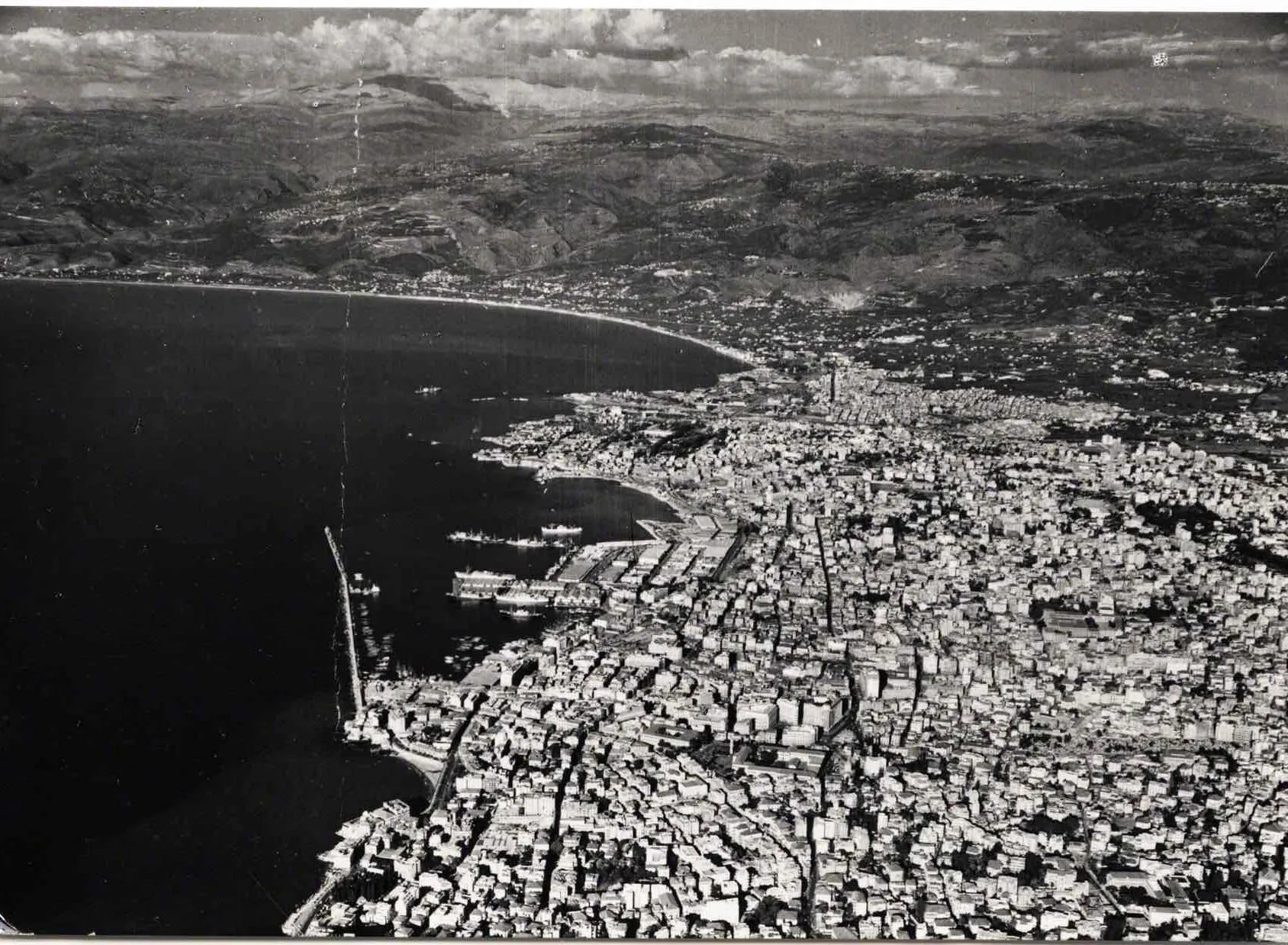
Black-and-white aerial photograph of Beirut, its harbor and dense rooftops meeting the sea
Beirut from the air, the harbour and the bay, circa 1960-1965, posted 1965. View from the View, card 1037
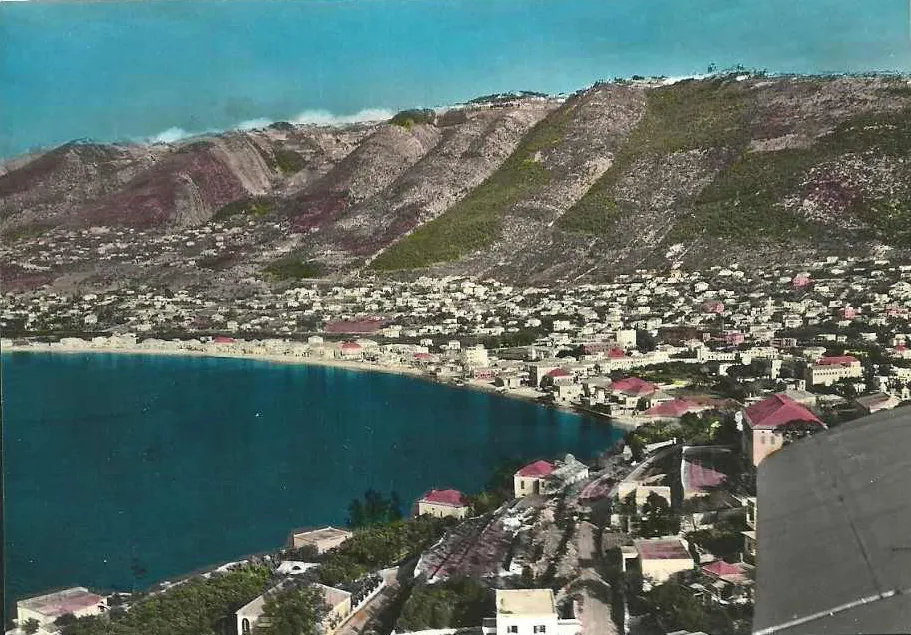
Hand-tinted postcard of a Lebanese coastal bay beneath terraced mountains
The bay of Jounieh beneath terraced mountains, hand-tinted. View from the View
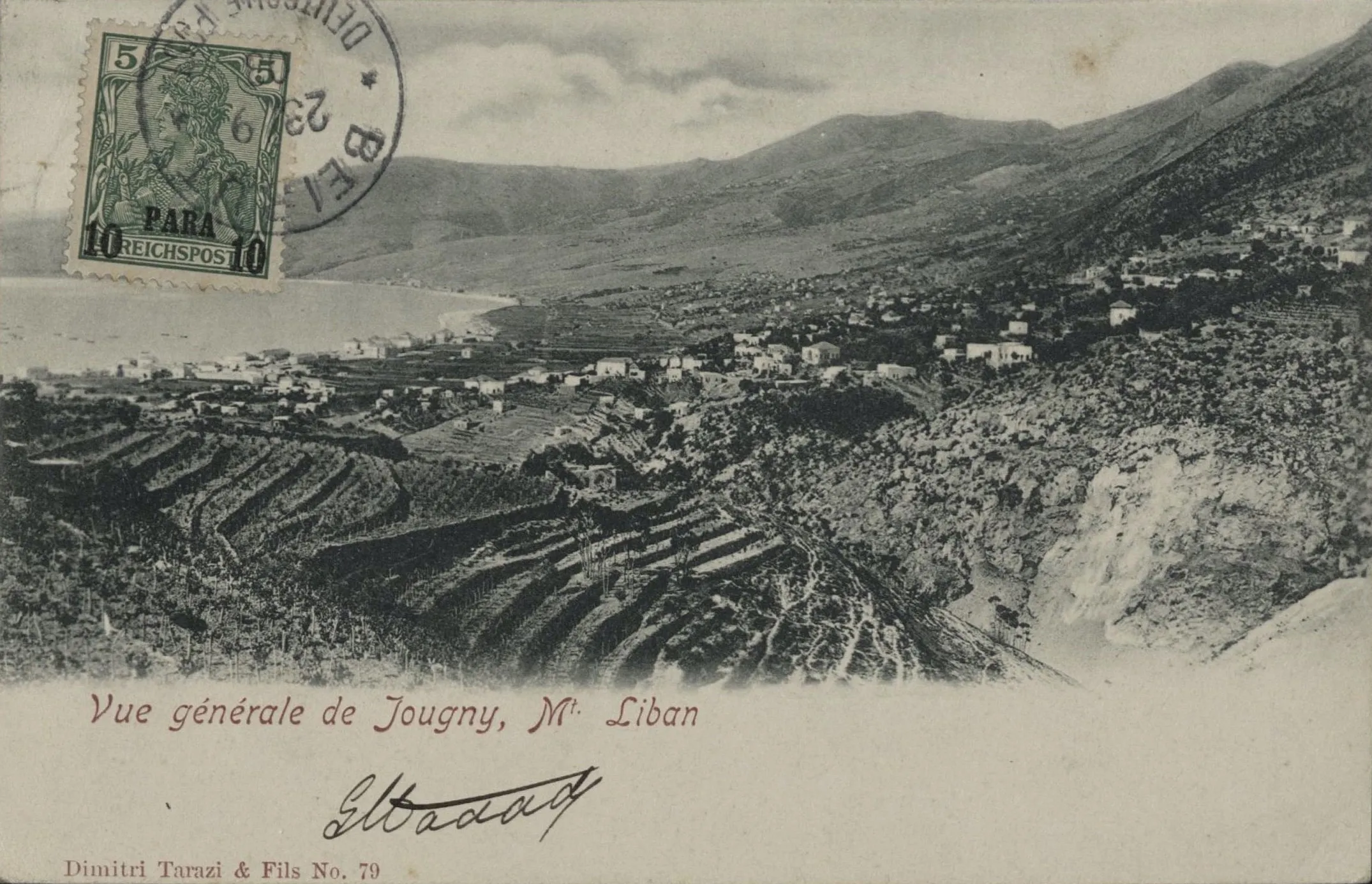
Early postcard, 'Vue générale de Jougny, Mt Liban,' with a green ten-para stamp and handwritten signature
Vue générale de Jougny, Mt Liban. Dimitri Tarazi & Fils, No. 79, circa 1900-1903, posted 1903. View from the View, card 1182
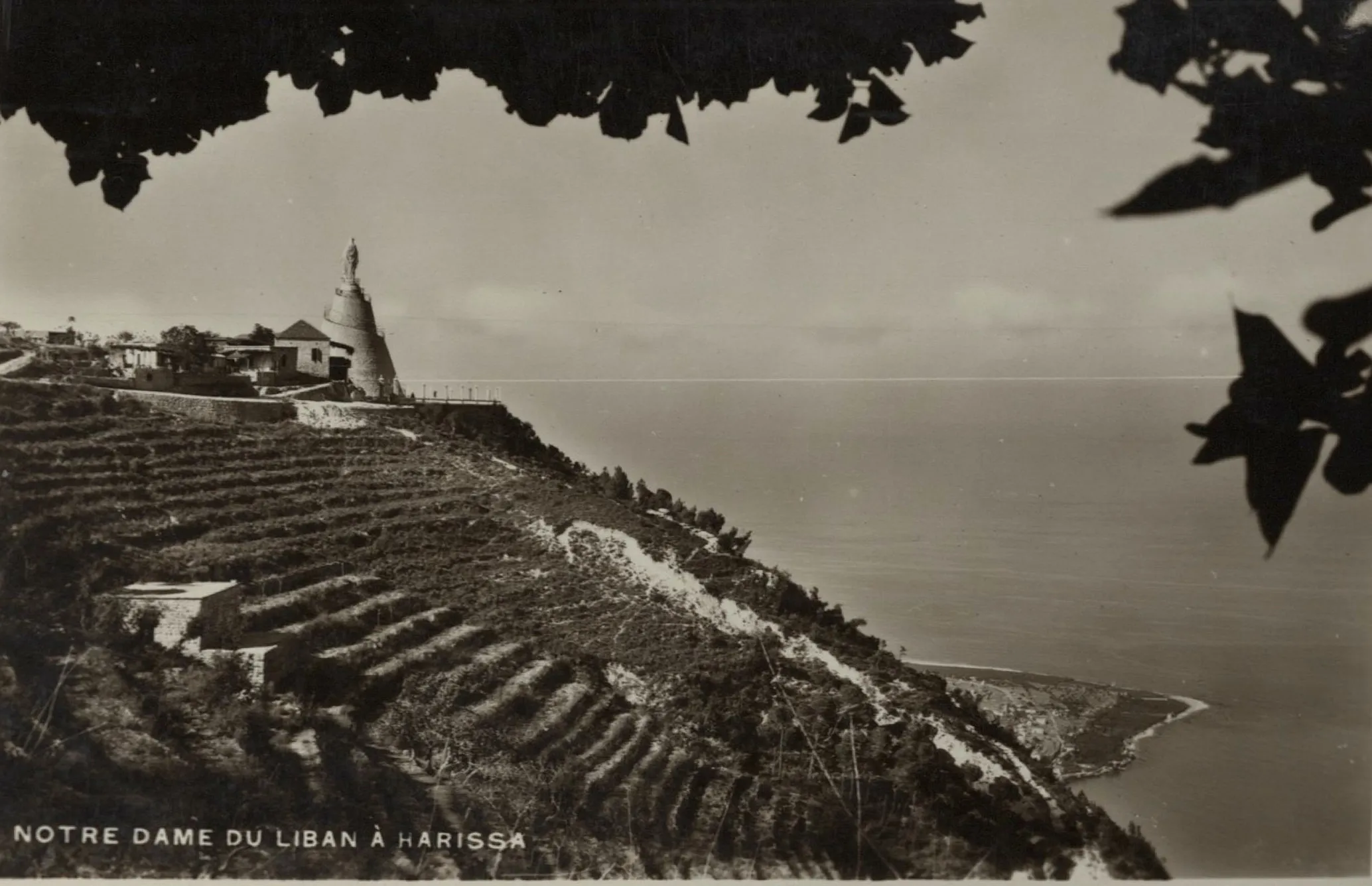
Postcard of Notre Dame du Liban at Harissa, the shrine overlooking terraced slopes and the sea
Notre Dame du Liban à Harissa. Pléédition Beyrouth, circa 1930-1934, sent 1934. View from the View, card 1133

Required (readings/videos)

Related/Recommended

Week 6: Magazines + Periodicals + Publishing

Required (readings/videos)

Related/Recommended

Week 7: Moving Images + TV + Ads

Required (readings/videos)

Related/Recommended

Background: نهر الحب

Digital Terrains of Visuality across the Middle East

Part II

  1. 9. Moving Images & Moving Bodies
  2. 10. Everyday Suffering & the News Cycle
  3. 11. Seeing from Above
  4. 12. Images & Ideologies + Politics & Protest
  5. 13. 🤯Memes & Meaning + Emojis & Emotion 🤯
  6. 14. Social Media: Crafting Selves + Making Worlds
  7. 15: Archives & Access
  8. + 16. Nostalgia for the Past & Hope for the Future

The second half of the course pivots into our contemporary age to consider larger themes of visuality/digitality across the Middle East.

Each week sets a different frame and entry points to open up a series of visions across the region. We will explore the creation, mediation, circulation, and manipulation of visual registers through the digital as a way to query broader meanings, but also so you might better understand how to work with visual material in your own research.

Across these 8 weeks you will be working on further refining your final projects and starting to iterate your own visual essay!

Week 9: Media & Mediation: Moving Images & Moving Bodies

How can we consider two adjacent accelerations and scales:

- digital circulation of images -
+
- our bodies in physical space -

As photographic material becames more ubiquitous we also find ourselves moving here/there/everywhere.

How can a broader consideration of “mediation” in the media help us grapple with this?

What does it mean for images to “move” in this digital age? How can we link expanded scales of human movement - with expanded horizons of visuality through the digital?

How do we not loose track of the body and our senses?

Required (readings/videos)

Related/Recommended

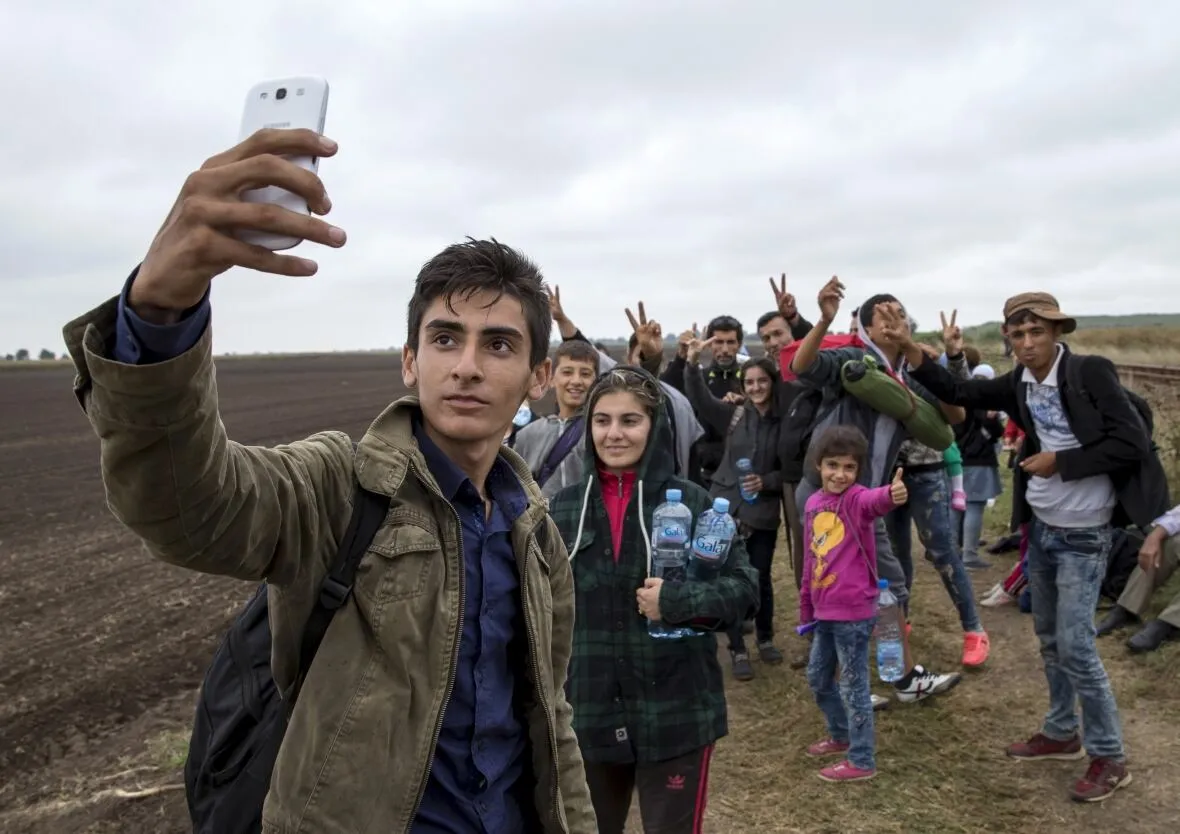
Background Image: Getty Image - Lior Mizrahi

Week 10: Visual Ruts of Conflict & War in the Middle East

Everyday Suffering & the News Cycle

How has photojournalism (among other fields) perpetuated certain visions of the Middle East?

What are some of the common tropes of conflicts in the Middle East: sectarian, authoritarian, gender, and ongoing warfare…?

Think back to our visit to the MOMA PS1 show (Theater of Operations: The Gulf Wars 1991–2011) earlier this semester, where is the everyday in these “conflicts?”

How do we think about the threads of journalism with the experiences of the mundane? This week we explore the gaze of the lens, grapple with issues of representation, suffering, and the “pain of others.”

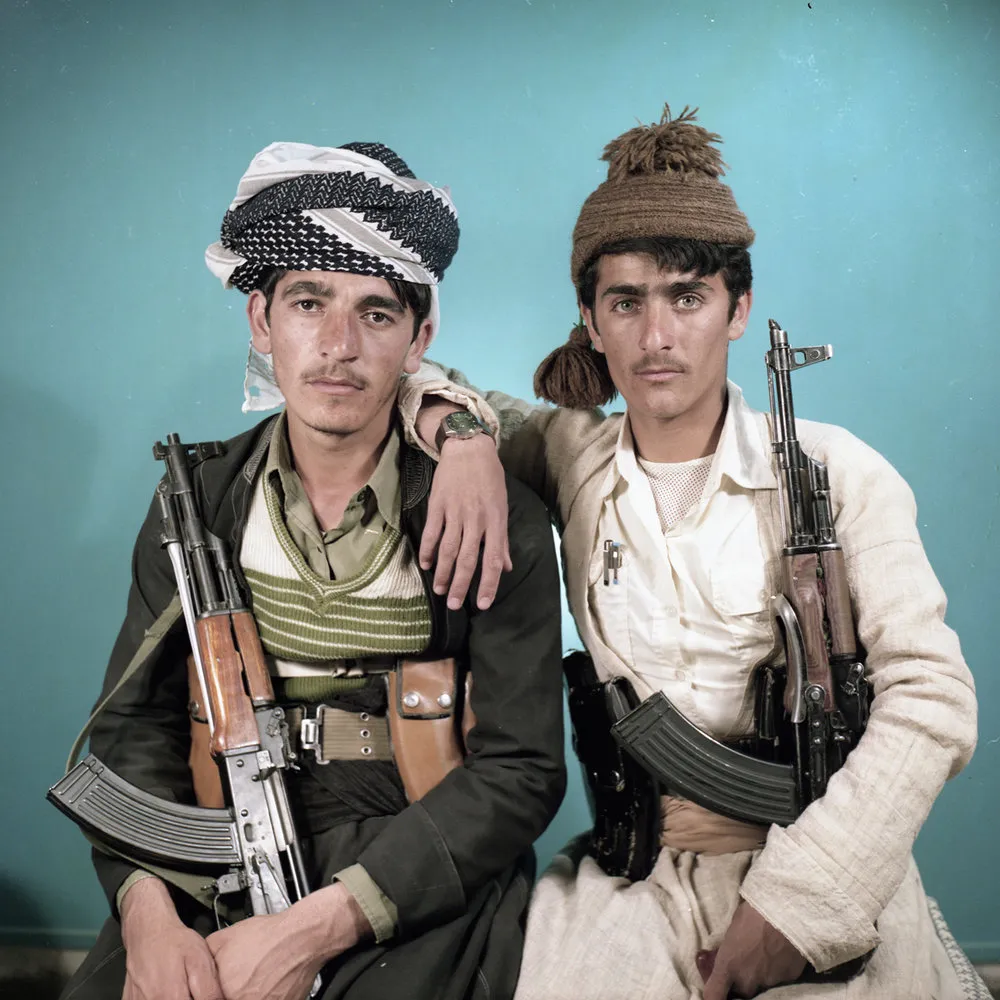
Studio portrait of two young men in Kurdish dress, each holding a rifle, before a turquoise backdrop.
DARST - Twana Abdullah
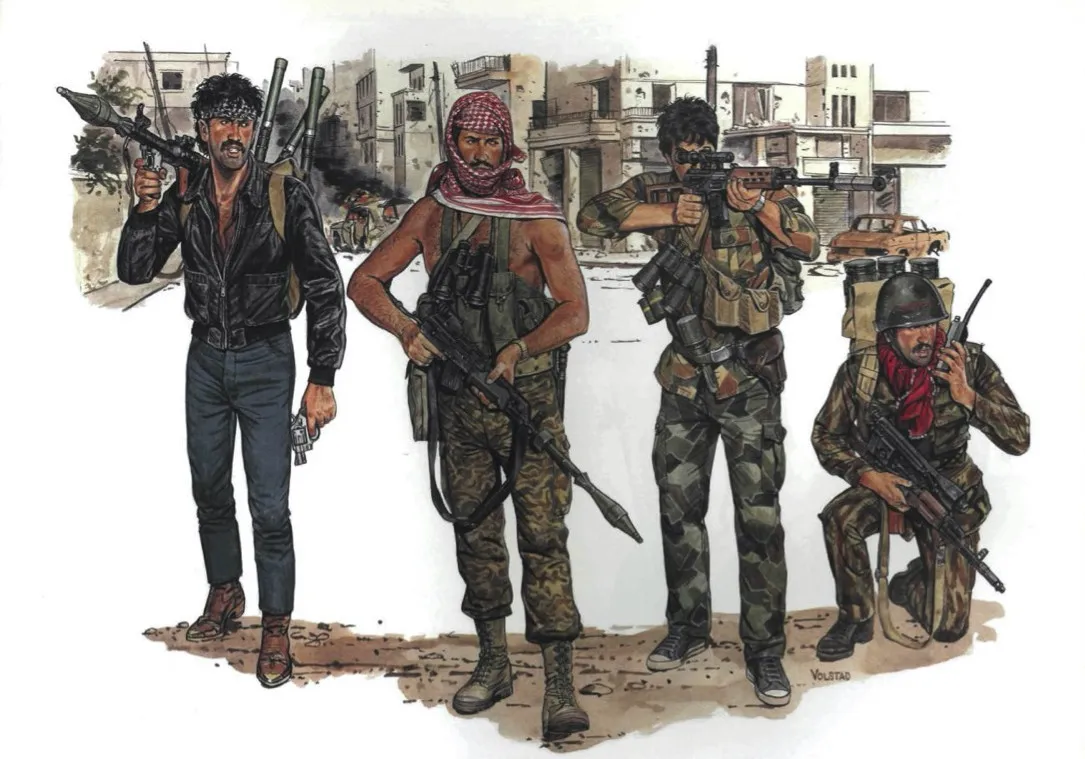
Colour plate of four militiamen with rifles and a rocket launcher in a ruined street.
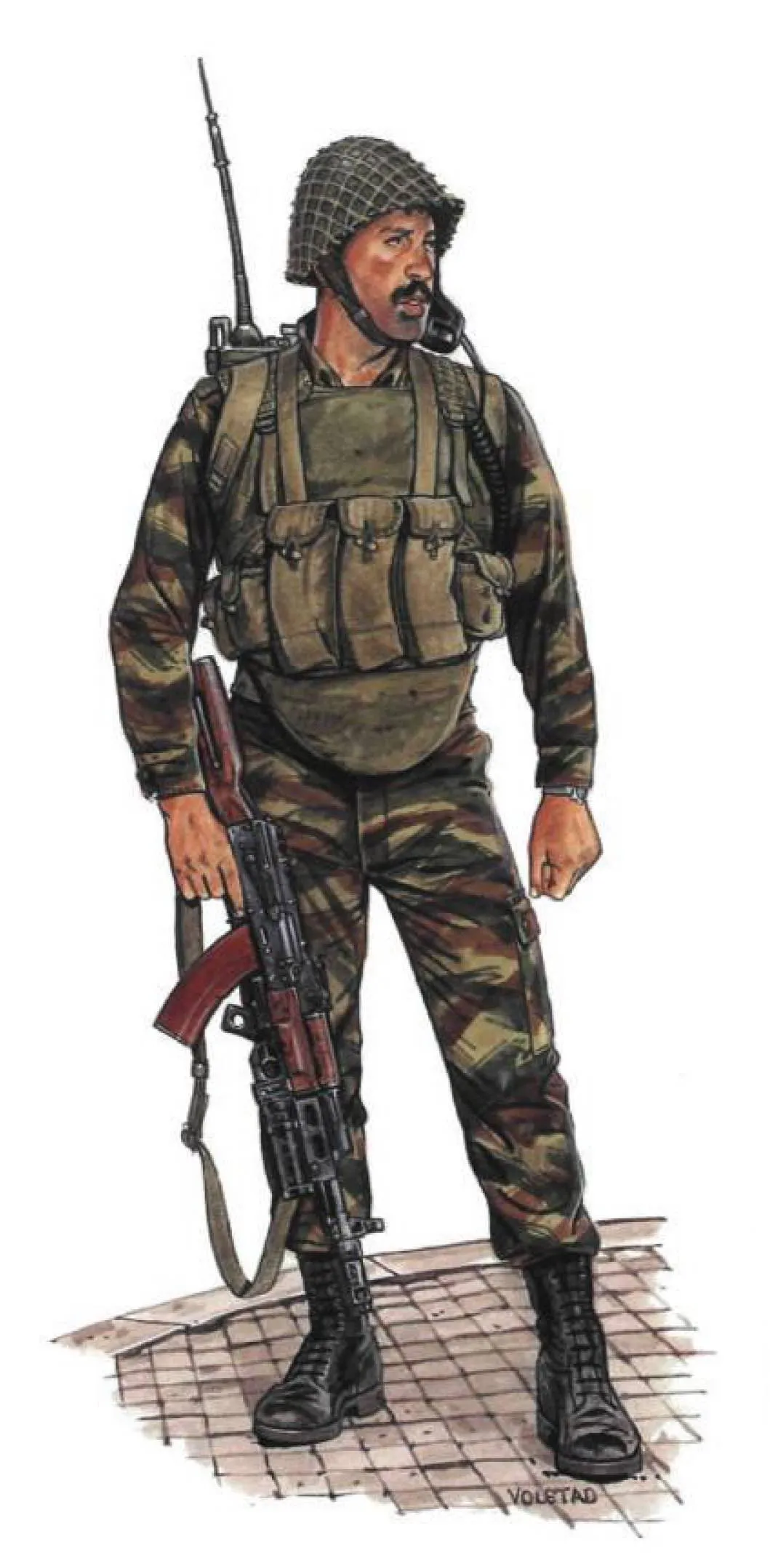
Katz - Battleground Lebanon. Pg 33/34. Firepower Pictorials, 1992
Colour plate of a soldier in camouflage, helmet and webbing, holding a rifle, standing on a tiled floor.
Katz - Battleground Lebanon. Pg 33/34

Required (readings/videos)

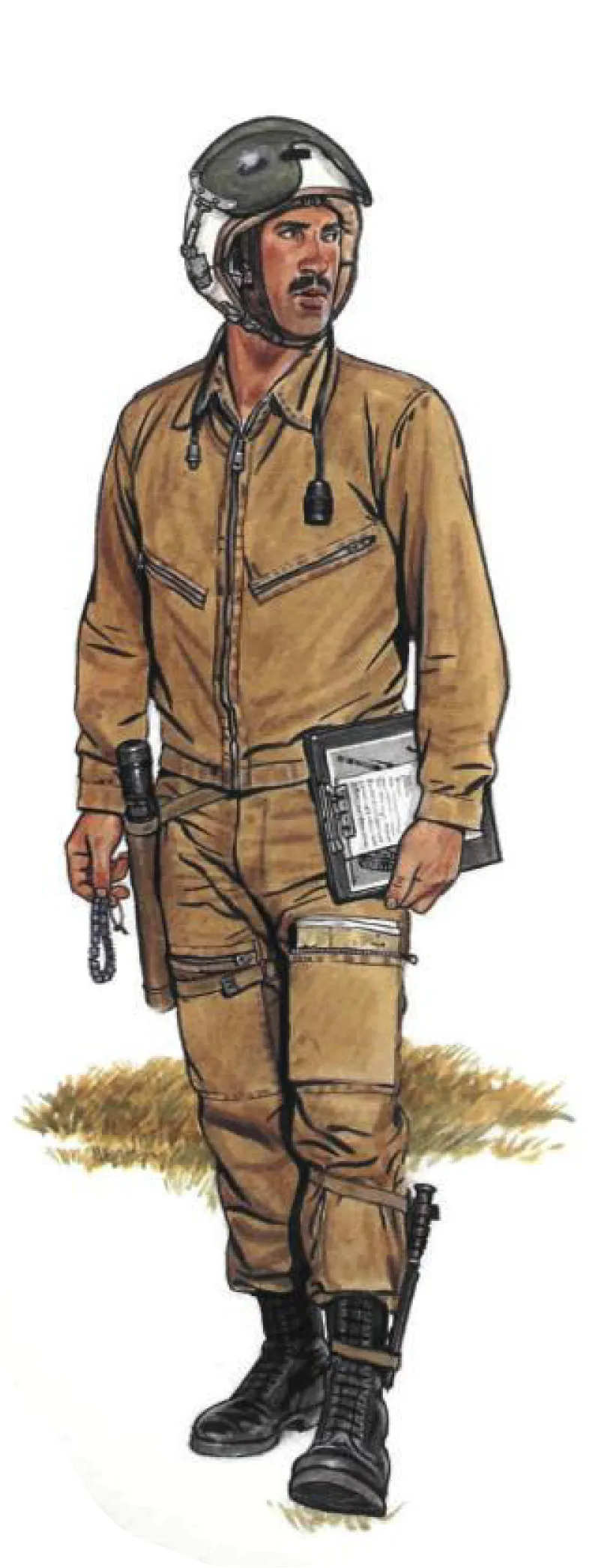
Colour plate of a soldier in a tan flight suit and helmet, a notebook under one arm and a pistol in his hand.
Katz - Battleground Lebanon. Pg 33/34
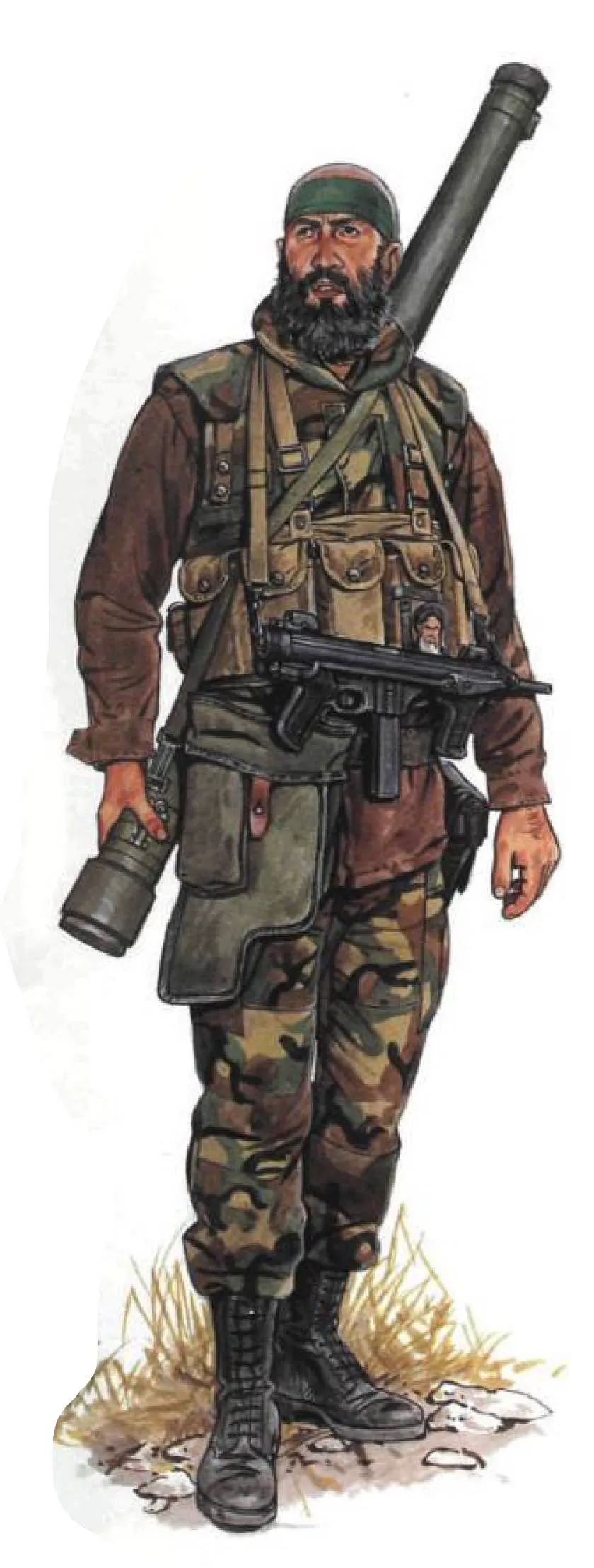
Colour plate of a bearded fighter in a green headband and camouflage trousers, carrying a rocket launcher and a submachine gun.

Week 11: Seeing from Above: Surveillance, Sky, Space

"Power from Higher Ground"

Waves of technologies have changed our vantage points, views of landscape, and conceptions of space.

This week we explore the adage: “power from higher ground.” How has imagery from above changed our lives on the ground - especially digital imaging?

We will consider colonial histories from the region in which airplanes were used as vehicles of control - but also to surveil and survey. We will think through various aerial views: the history of camouflage, current uses of drone imaging, and go to space to think about “vision” from satellites, GPS, and other ways of sensing from above in the Middle East.

Required (readings/videos)

Related/Recommended

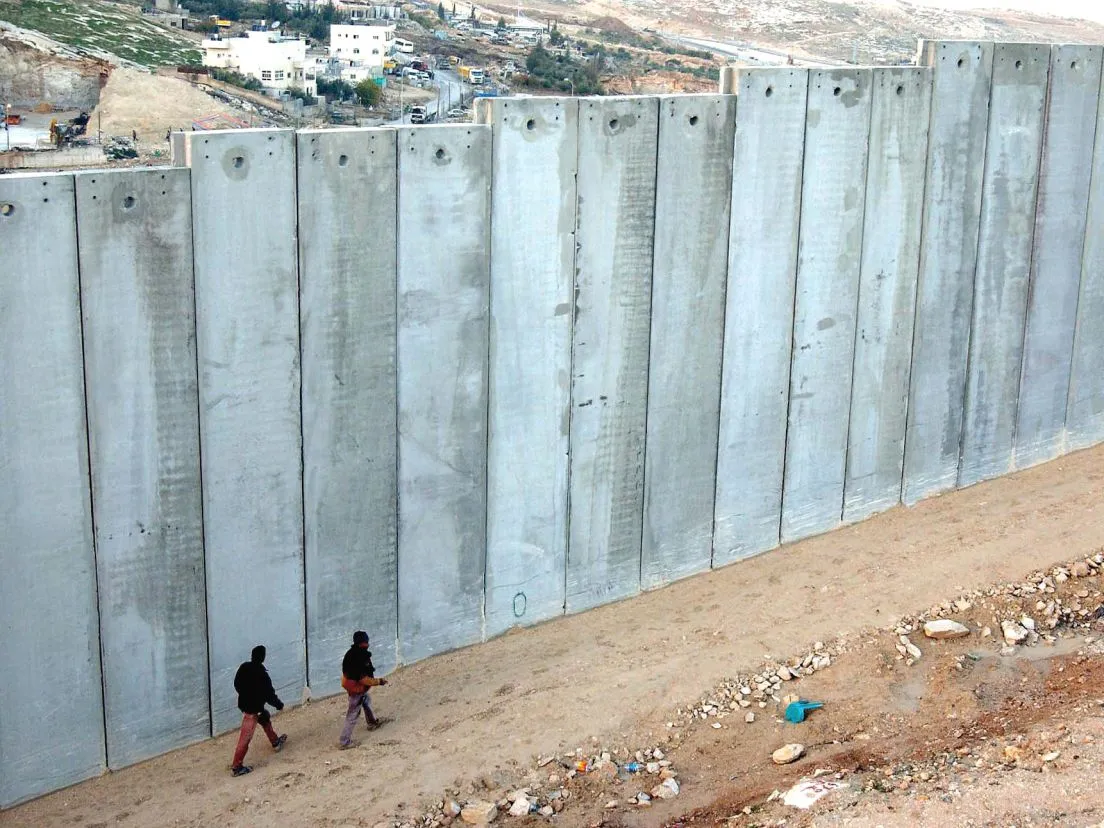
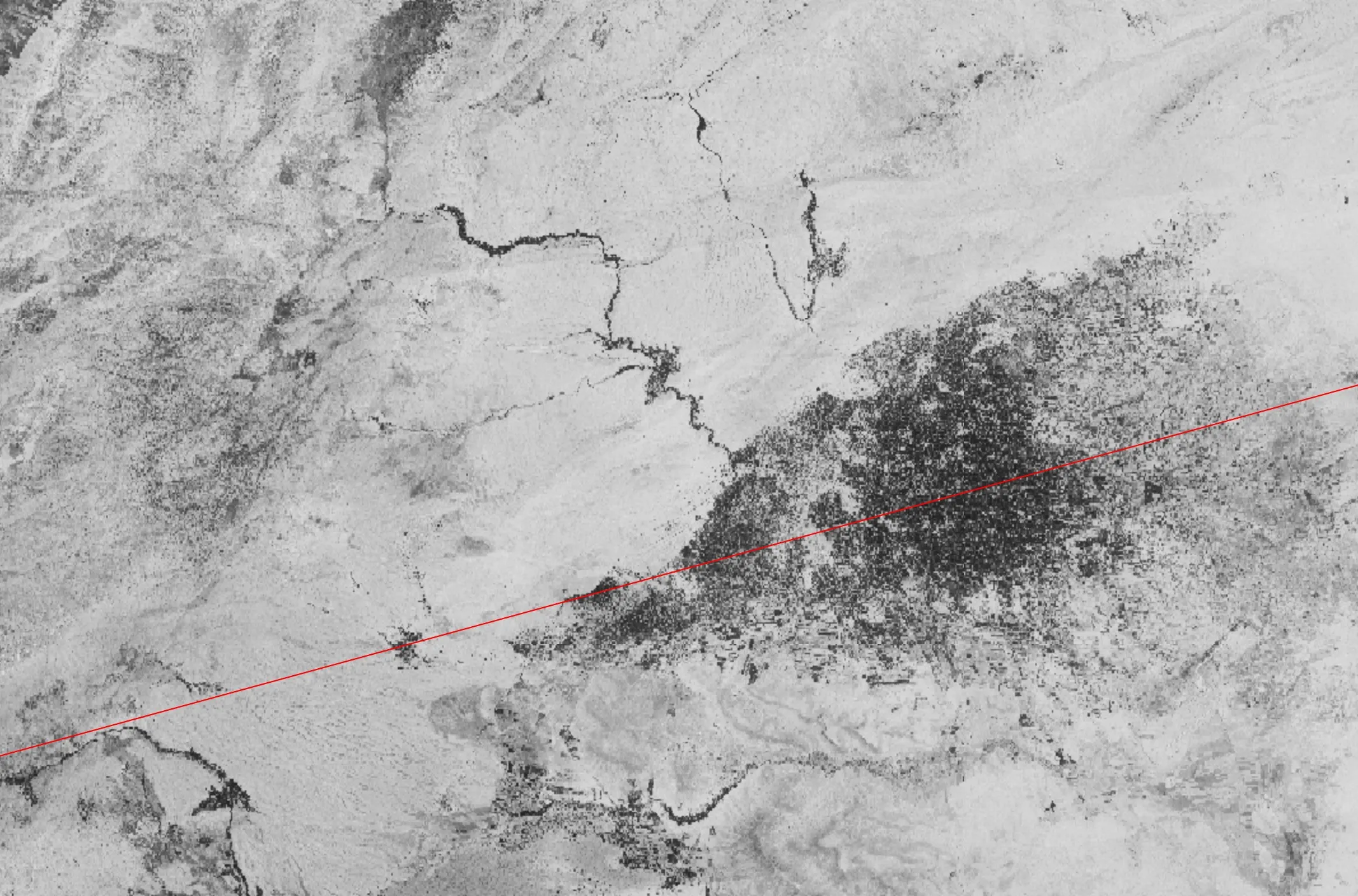
Background: Damascus Sept 26th 1967 - Corona Satellite

Week 12: Images & Ideologies + Politics & Protest

The Street, The Square, & The Net

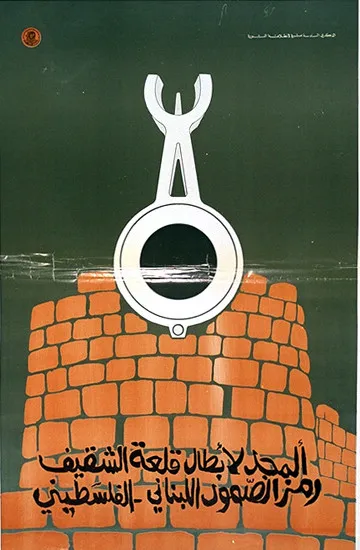
Poster: a white emblem, a ring crowned with two prongs, rises above the orange brick battlements of Beaufort Castle on dark green; the Arabic line beneath reads 'Glory to the heroes of Beaufort Castle, symbol of Lebanese-Palestinian steadfastness'.
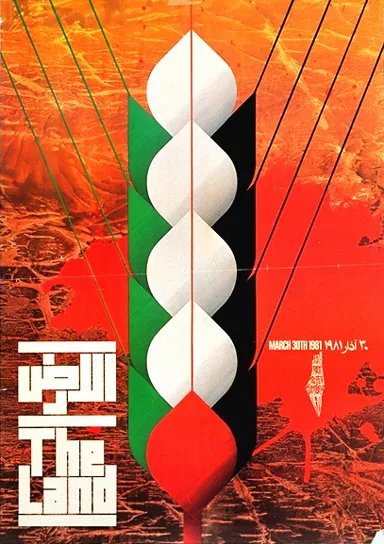
Poster for Land Day, 30 March 1981: a stylised stalk in red, green, white and black, the words 'The Land' in Arabic and English.
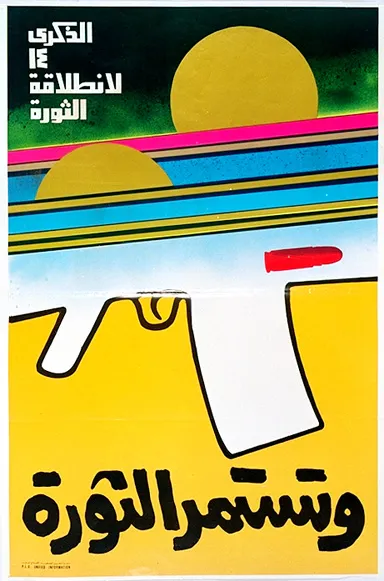
Poster for the 14th anniversary of the launch of the revolution: a white rifle form over bands of colour, the Arabic words 'and the revolution continues'.
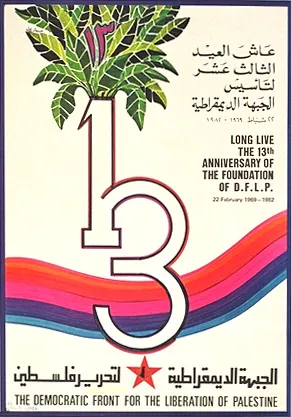
Poster for the 13th anniversary of the Democratic Front for the Liberation of Palestine: a large 13 with a palm sprouting from it over rainbow stripes.
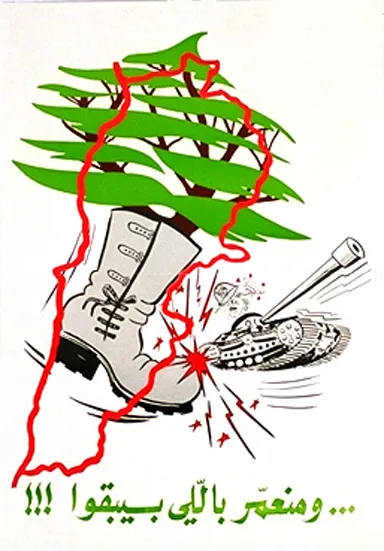
Poster: a boot crushing a tank beside a red outline map of Lebanon under a cedar, an Arabic slogan beneath.
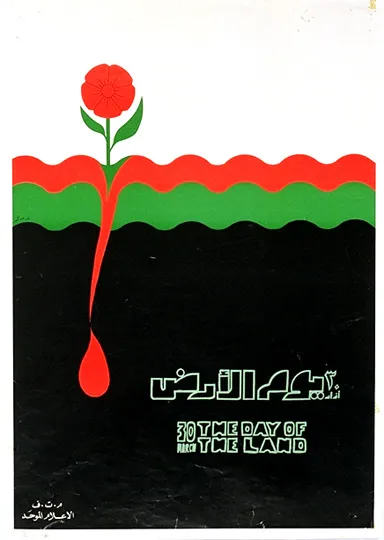
Poster for the Day of the Land, 30 March: a red flower grows from a black field through red and green bands.
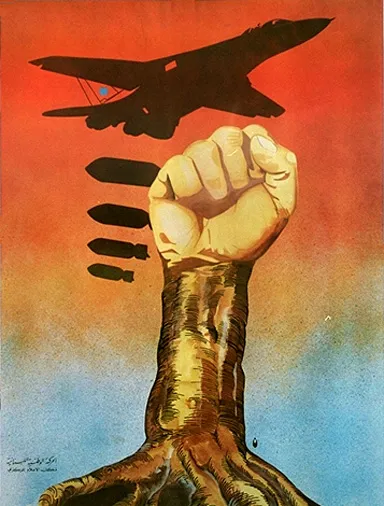
Poster: a clenched fist on a bare forearm rises against an orange sky beneath the black silhouette of a warplane dropping three bombs; a line of Arabic text in the corner.
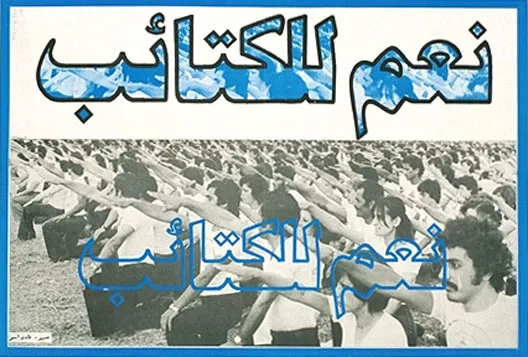
Poster: the Arabic slogan 'Yes to the Kataeb' in blue over a photograph of a seated crowd.
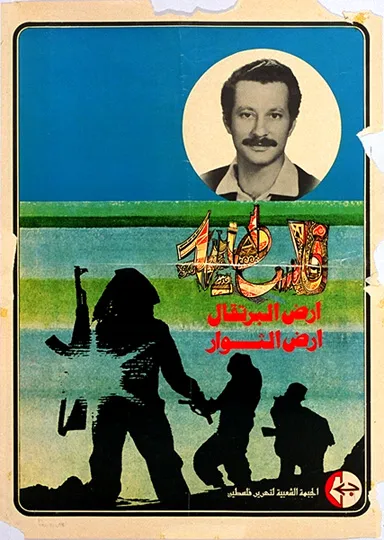
Poster of the Popular Front for the Liberation of Palestine: a man's portrait photograph in a circle against a blue sky; below, black silhouettes of fighters with rifles cross green fields, the Arabic lines 'land of oranges, land of the revolutionaries' in red.
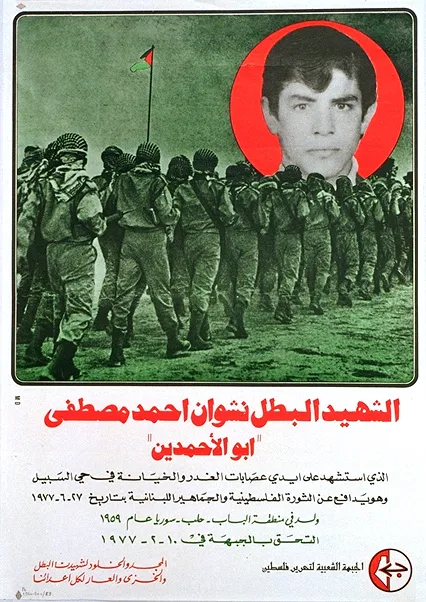
Memorial poster of the Popular Front for the Liberation of Palestine: a young man's portrait in a red circle over a column of marching fighters and a Palestinian flag, Arabic text naming the martyr Nashwan Ahmad Mustafa, 'Abu al-Ahmadayn'.
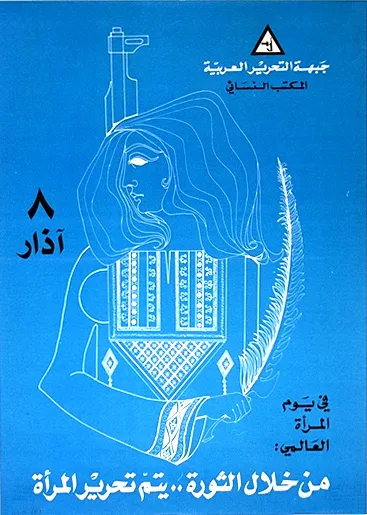
Poster for 8 March, International Women's Day, in white line on blue: a woman with a rifle at her shoulder holds a palm frond over an embroidered dress panel; the Arabic slogan reads 'through the revolution the woman is liberated', from the Arab Liberation Front's women's office.
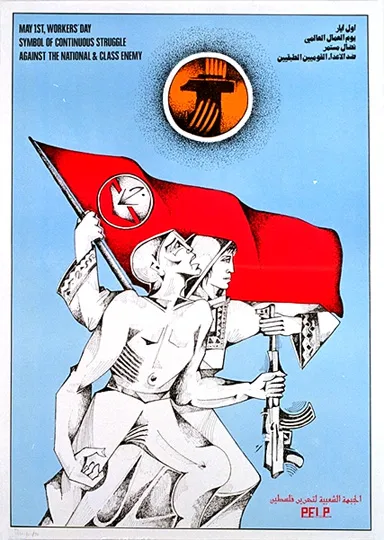
Poster for May 1st, Workers' Day, 'symbol of continuous struggle against the national and class enemy': two line-drawn figures carry a red flag and a rifle beneath a hammer emblem, the PFLP's name at the foot.
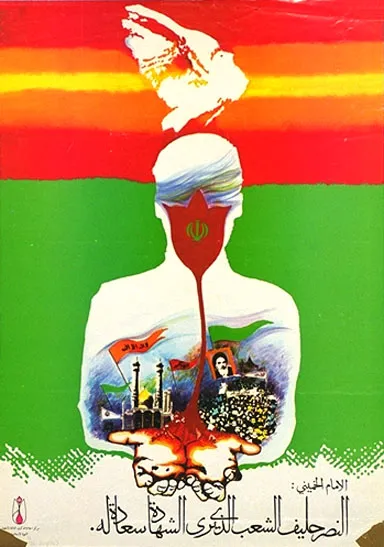
Poster: the white silhouette of a figure in a turban against red and green bands, a dove above it pouring blood down into cupped hands, a crowd and a mosque within the body; an Arabic line attributed to Imam Khomeini on victory and martyrdom.

Political posters of the Lebanese civil war, from the Political Posters collection of the Jafet Library, American University of Beirut; four of them from the instructor's own scans of the same collection.

The dichotomy of Public/Private space is present throughout every era of Middle Eastern Studies.

How do subversion, protest, and dissent appear in public through imagery?

From political posters, slogans, street art, and Graffiti - this week we explore ideologies and iconographies used in many “public” images.

What are the semiotics of “the street,” the “square,” or the “net?”

Required (readings/videos)

Related/Recommended

Week 13: Memes & Meaning + Emojis & Emotion

This week we explore the playfulness, ambiguity, and innuendos that arise from Memes, Emojis, & GIFs.

This NYTimes mega-gif compiles the most frequently gif hashtag #emotions in 5 countries. How do memes speak to different cultures, communities, and connotations?
How are these visual semiotic tools being adopted across the Middle East?

We will use Dean’s “Secondary Visuality” & “Communicative Capitalism” as a way to think regionally about how provocative and slippery they become.

Required (readings/videos)

Related/Recommended

Week 14: Social Media: Crafting Selves + Making Worlds

Social Media has become ubiquitous across the world (YouTube, Facebook, Instagram, Snapchat, Twitter, Tiktok, Twitch, Whatsapp, etc).

Smartphones have become an appendage to our bodies and these apps lenses to how we see ourselves & the world around us. How do device usage, connectivity, and various platforms connect us - but also present new ways to see and craft ourselves?

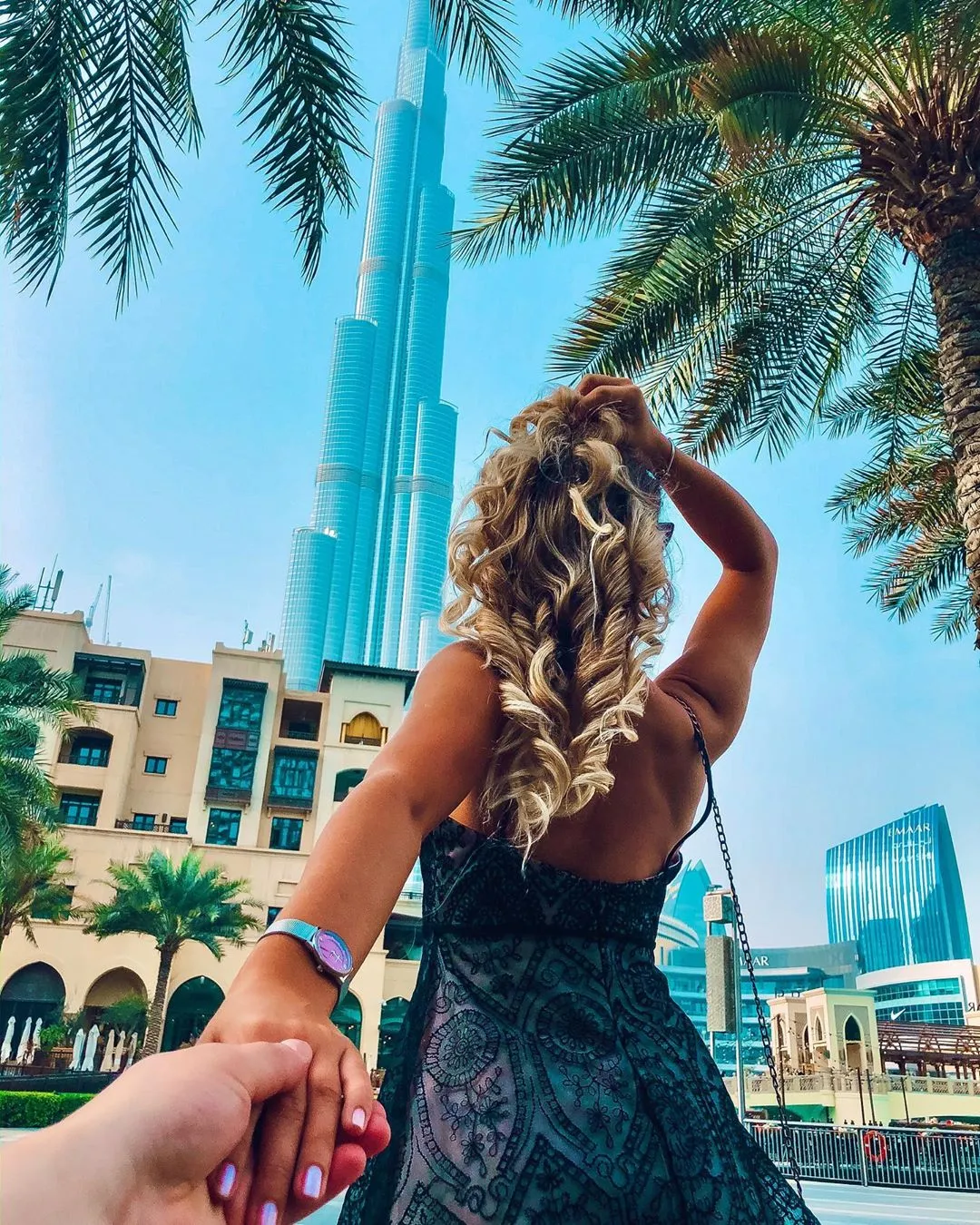
How can our own self-image become a brand? How can a city (Dubai) or a building (Burj Khalifa) become an “influencer,” aesthetic, or a visual index to build a nation?

This week we think of surface and depth, the semiotics of self, and the crafting of ourselves through imagery and social media.

Required (readings/videos)

Related/Recommended

background: #dubaifollow me - @_arzamasova_

Week 15: Archives & Access

The last 20 years have been marked by the expansion and creation of many archival
projects across the Middle East.

What is saved?
Who decides what is of worth?
How accessible does it become?
In the rush to digitize what is gained/lost?
What is the role of heritage in motivating these actions?

This week we explore platforms that boldly strive to capture and (re)circulate visual materials as we think about the stakes of archiving/access.

Required (readings/videos)

Related/Recommended

Week 16: Nostalgia for the Past & Hope for the Future

Looking Back & Looking Forward for a Golden Age

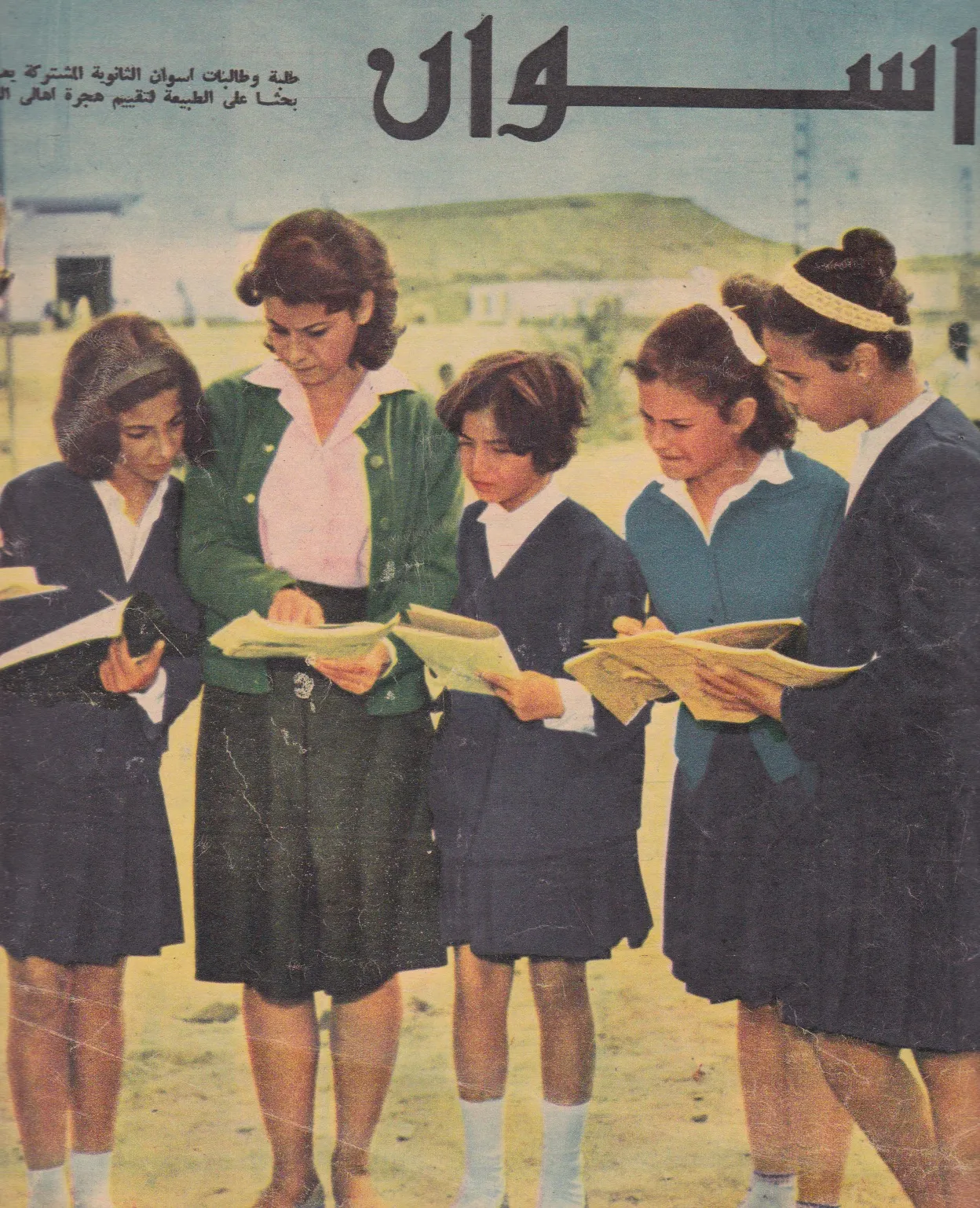
Magazine page headed Aswan in Arabic: five schoolgirls in uniform read from books outdoors.
Aswan 1966. Egyptian Streets

We have all likely seen the photographs from Cairo, Baghdad or Kabul in the 60’s/70’s -
the one in which a woman’s body (and what she is wearing) is used to index “how open it used to be.”

As digitizing expands, we are seeing more images of the past. How does this glorify and steep us in nostalgia for something we think we have lost? What new avenues for research does it present?

On the other hand, to conclude this course, how do we make sense in this moment of drowning in images and videos, all the while trying to find threads of hope, inspiration, and to build our own visions of the future?

Required (readings/videos)

About this course

Course Overview + Goals

This course examines changing technologies of image capture/(re)production/circulation in the Middle East from the turn of the century through today. We examine historical moments through an appreciation of changing technological advancements of visual material. From changing printing practices on postcards, consumer grade cameras, increasing photographs in periodicals, TVs & VHS, leading up to networked technologies and the digital morass in which we now live.

Across the arch of the course, emergent technological capabilities of visuality become entwined in issues of nationalism, revolt, consumerism, tourism, changing gender roles, and boundaries of sexuality.

The second half of the course focuses on the contemporary landscape of smartphones/internet/apps/digitality and the dizzying array of visual material in which we now drown. From protests to citizen journalists, emergent political movements and social media on smartphones, from Grindr to surveillance, selfies, & sex. We will consider broader themes as they relate to the Middle East.

Finally, there is an emphasis for students to develop and integrate visual material in their MA research. We will explore some visual methods across the course and you will learn how to create a digital story paying special attention to not simply using visual material as the “represention” of your argument.

Weeks 1-7

Technologies & Materialities of Vision

These weeks cover various technological advancements that changed photographic production, reproduction, and cirrculation in the contexts of the Middle East. We will examine decades of expanding visual cultures before digital technologies

Weeks 9-15

Digital Terrains of Visuality across the Middle East

The second half of this course pivots to explore the past 50+ years of increasing digitality & visuality. Each week presents a different frame/entry point from which we will see and think through parts of the Middle East. These “series of visions” will open up many methods for students to consider using visual materials

2020

I taught this seminar in Spring 2020 at the Kevorkian Center; what stands here is its archive, rebuilt from the site of that year.

NEST-GA 3002, a graduate seminar at the Hagop Kevorkian Center for Near Eastern Studies, New York University, Spring 2020. Tuesdays, 2 to 4:45 pm, 255 Sullivan Street. Jared McCormick.

The images are credited where they appear. The postcards are from my own collection of Lebanese postcards, View from the View, each with its card number; the week 12 posters are scans from Samuel Katz’s Battleground Lebanon (Firepower Pictorials, 1992) and from prints in my files; the photograph behind week 9 is a Getty Images editorial picture; the films and clips come from the sources named under them.

The text and the design of this site are published under a Creative Commons BY-NC-SA 4.0 license, so that they can circulate: use them with credit for anything that is not for sale, and share what you make the same way. Rights in the images remain with their makers and holders.

To cite this site: McCormick, Jared. Visual Cultures of the Middle East: Moving Images from Daguerreotypes to Smartphones. Course site, Spring 2020. Kevorkian Center for Near Eastern Studies, New York University. visualizingthemiddleeast.com.

Questions, corrections, and requests to use this material: jsm22@nyu.edu.
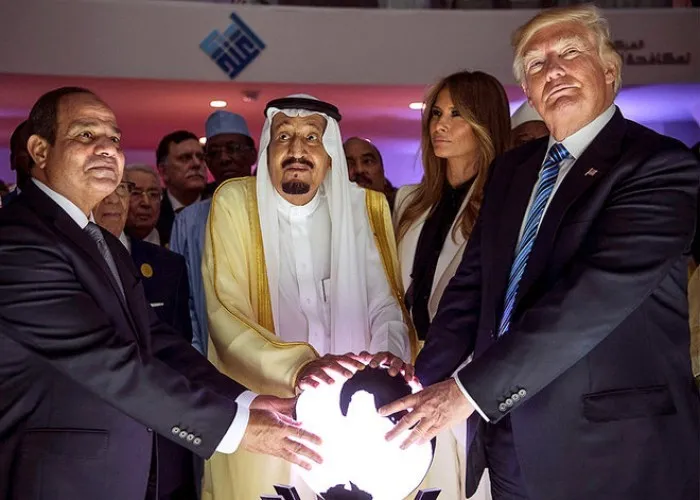
The course poster for Spring 2020: a crowd in Khartoum at dusk holding up phones to a woman in white standing on a car roof, one arm raised; over it the course title, the instructor, NEST-GA 3002, Tuesdays 2 to 4:45 at the Kevorkian Center's LL2, 255 Sullivan Street
The course poster, Spring 2020. Alaa Salah (Lana Haroun- Twitter: @lana_hago)